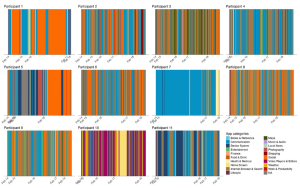
The alarmingly high rates of mental health conditions and symptoms in the United States (Reinert, 2025), especially among individuals in disadvantaged groups (Marbin, 2022; Ridley et al., 2020; Patel et al., 2018; Pickett & Wilkinson, 2010), underscore the need to better understand the factors affecting mental health and identify effective interventions. Wellness behaviors, such as getting more sleep (Palmer, 2023; White et al., 2024), more physical activity (Mahindru, 2023; Larun et al., 2006; Peluso & Andrade, 2005), and avoiding harmful substances (Baum-Baicker, 1985; Geiger & MacKerron, 2016), are all associated with improved health and well-being. Although less is known about the impact of digital behaviors, they could be another accessible avenue for promoting well-being. This study fills this gap in research by leveraging (1) intensive longitudinal survey data collected fortnightly from adults over 52 weeks (n = 60; 31.7% male; agemean= 47, range 18-78 years) and (2) passive screenome data collected through screenshots over the course of a year (n = 5) from the Human Screenome Project (Reeves et al, 2020) to conduct a mixed methods analysis of engagement with offline and digital wellness behaviors relationship to positive affect across socioeconomic groups.
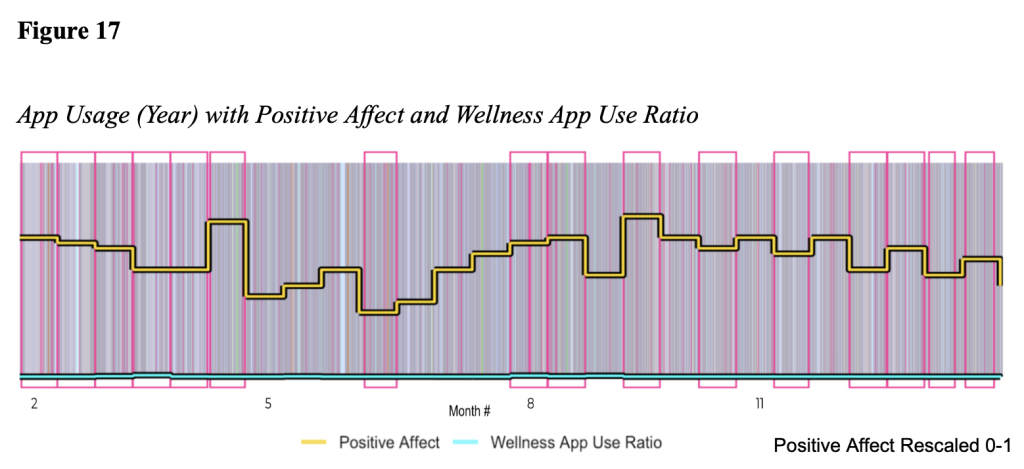
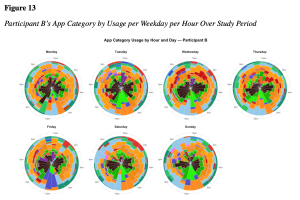
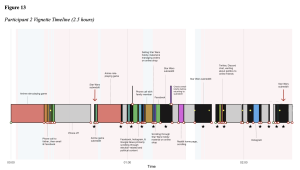
Results showed no moderating effects of income across wellness behaviors (p > .05) and no significant associations between digital wellness engagement and positive affect (p > .05), leading to the key takeaway: wellness is truly an individual matter that may not be accurately captured by data. Detailed qualitative analyses of 5 participants support this point, revealing the broad range of contexts and intentions behind digital wellness engagement, which may shape its effects. Although more research and improved design are needed, digital wellness tools that account for users’ broader life contexts and engagement intentions may still hold promise as low-cost, accessible ways to improve well-being.



![Honors Posters at Symposium of Undergraduate Research and Public Service [April 25, 2026]](https://thechangelab.stanford.edu/wp-content/uploads/2026/04/Garg_SURPSVig_20260425-300x95.png "Honors Posters at Symposium of Undergraduate Research and Public Service [April 25, 2026]")