

Tag: Michelle Ng
Risk perception, but not response efficacy, linked risk communication to protective action during an atmospheric river in California
2026-10-05 5:41 PM
As the atmospheric river approached and made landfall, we surveyed 513 at-risk adults twice daily over one week (n = 5,099 observations) and applied preregistered Bayesian within-person mediation models to the resulting intensive longitudinal data. We found that when participants received more risk communication than their personal average, they were more likely to take protective action...
Risk Communication in Real Time: Examining Individuals’ Smartphone Use During the 2021 Texas Winter Disaster With Mobile Sensing
2026-03-31 5:10 PM
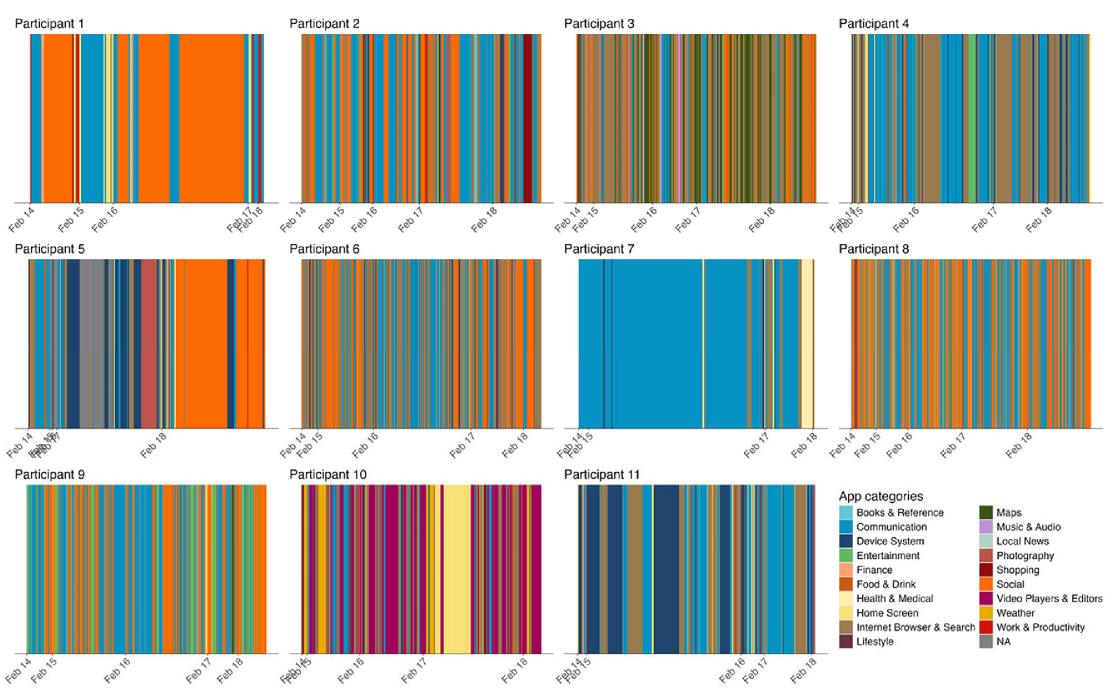
In this study, we provide a detailed description of how individuals encounter risk communication during extreme weather events by analyzing comprehensive records of all the content that 11 adults viewed on their smartphones (n = 162,418 screenshots collected via mobile sensing) over 5 days of the winter disaster that struck Texas in February 2021. Participants viewed substantial amounts of risk communication, which comprised, on average, 21% of their total smartphone use during the winter disaster...
How self-efficacy and response efficacy change with risk and adaptation behaviors during tropical cyclones
2025-10-16 11:51 AM
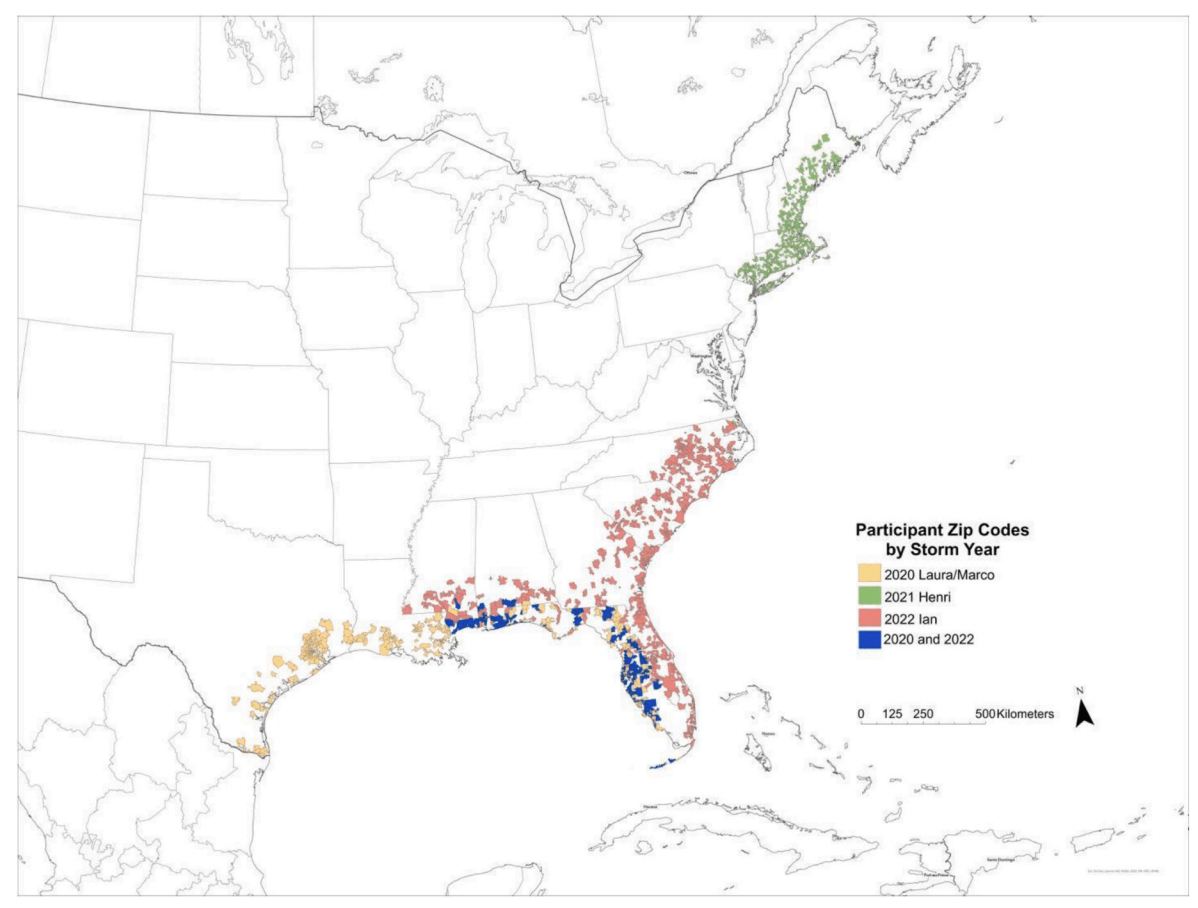
From our analysis of three (2020–2022) tropical cyclones in the U.S. that threatened 4,306 participants, we demonstrate that (1) time moderates the positive association between momentary levels of personal risk and response efficacy and (2) adaptation behaviors positively associate with momentary levels of response efficacy, but not self-efficacy...
Affective Sensitivity to Air Pollution (ASAP): Person-specific associations between daily air pollution and affective states
2024-08-12 6:22 PM
Individuals’ sensitivity to climate hazards is a central component of their vulnerability to climate change. In this paper, we introduce and outline the utility of a new intraindividual variability construct, affective sensitivity to air pollution (ASAP)...

Climate Impacts of Digital Use Supply Chains
2024-04-01 8:45 PM
Information and communications technology (ICT) has become an indispensable part of our lives. Prior research on climate impact of ICT devices and services mostly makes use of life cycle assessment and energy modeling frameworks focused on embodied greenhouse gas (GHG) emissions.

The Change Lab Goes To The Affective Science Annual Conference 2023 in Long Beach, CA
2023-04-01 2:42 PM
Developmental Change in Infants’ Emotion Regulation Readiness and Regulation Proclivity; Tracking Divergence of Well-Being across Time; and Change in Affect as Individuals Move Through Physical and Digital Green Space in Everyday Life.
Warning: Undefined variable $raw_excerpt in /home/quantdev/thechangelab.stanford.edu/wp-content/themes/lagunita-theme/Lagunita.php on line 2123

Michelle Ng
2022-10-21 11:12 AM
PhD Department of Communication Stanford University Website Michelle Ng is a PhD recipient in Communication. Her research examines how people act upon dynamic risk communication during extreme weather events, from hurricanes to heat waves. By leveraging intensive longitudinal methods and collaborating with government and community partners, Michelle aims to develop risk communication theory while building… Read more Michelle Ng
